
I spent years running clinical skills and simulation training, and I kept watching the same thing happen. A trainee passes every test and knows every step by heart, then freezes the first time it is real. Passing is one thing; mastery is something else entirely. The gap between them never shows up on an exam sheet. It shows up in the moment a trainee is standing over a bleeding patient or an emergency that will not wait.
That gap is not the trainee falling short, nor a flaw in the curriculum. It is the natural result of how training is built, bound by limits we all recognize: too little time, too few chances to repeat, an environment that is hard to control, and feedback that arrives long after the mistake has set in.
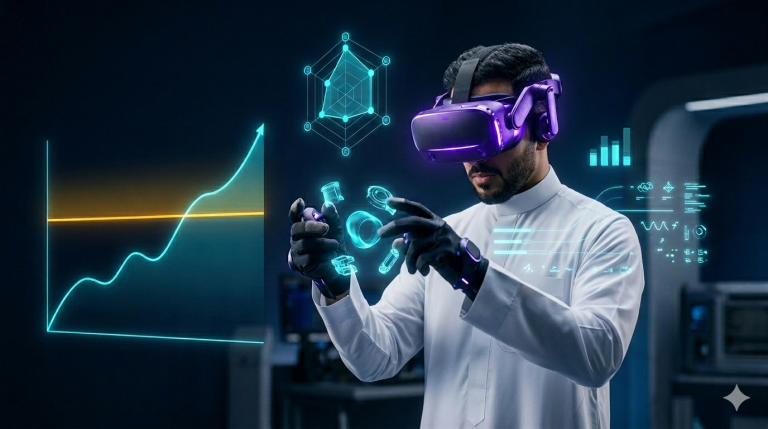
Immersive simulation does not patch over these limits. It removes them at the root, and with them the very way a skill is built changes. From what I have lived in the field, I see four reasons it shortens the road to mastery.
Repetition without a ceiling
The question that troubled me most in my work was a simple one: how many times does a medical student get to practice CPR before standing over a real patient? In most programs the answer is discouraging. The chances are few, the manikins are scarce and expensive and need upkeep, and the seats are limited by room budgets and instructor numbers. At its core this is an economic problem more than a curricular one.
In immersive simulation those limits all but disappear. A trainee can run the experience again and again until they reach the number their hands actually need, without consuming materials, waiting for a turn, or risking a patient’s safety. This may look like a pleasant technical perk, but it is in fact a precondition for mastery. A motor skill only moves from conscious thought to automatic execution after enough repetition in a safe environment, and that “enough” usually exceeds what conventional training allows.
An environment we shape, not one left to chance
In field training you do not get to choose when a trainee meets the hard case. An intern can go a full year without encountering a severe hemorrhage, then graduate knowing the procedure in theory while their hands have never once been tested by it.
Simulation flips this. We decide the critical moment and design it however we want. A physician does not learn to manage bleeding when chance happens to deliver it, but when we place them in front of ten different cases in a single week, each testing another angle of their competence. Knowing you have faced every form of a case is a very different thing from hoping you might one day run into it.
Correction in the moment, not a week later
In most programs assessment comes after the session ends. The trainee performs the drill, then receives written notes hours or days later, often without connecting them to the moment they slipped. The feedback loop is slow, and its effect is weak.
When simulation is paired with real-time performance measurement, feedback shifts from a report that arrives later to a signal that reaches the trainee while they perform. Someone who sees their compression depth and response time in front of them corrects on the next attempt, before the error repeats and hardens. This is a change in how muscle memory itself is built, deeper than any improvement at the margins.
Why this compresses years of practice
Reaching an expert level in a clinical skill is usually measured in years of practice and thousands of cases, and the length of that curve traces directly back to three obstacles meeting at once: too little repetition, too little control over the environment, and delayed feedback.
When simulation addresses all three at the same time, training time becomes far denser and far more precise. A well-designed hour inside simulation builds the kind of competence that conventional training needs several times as long to build, because every minute of it is aimed at what actually makes the difference, with no time wasted.
From passing to mastery we can measure
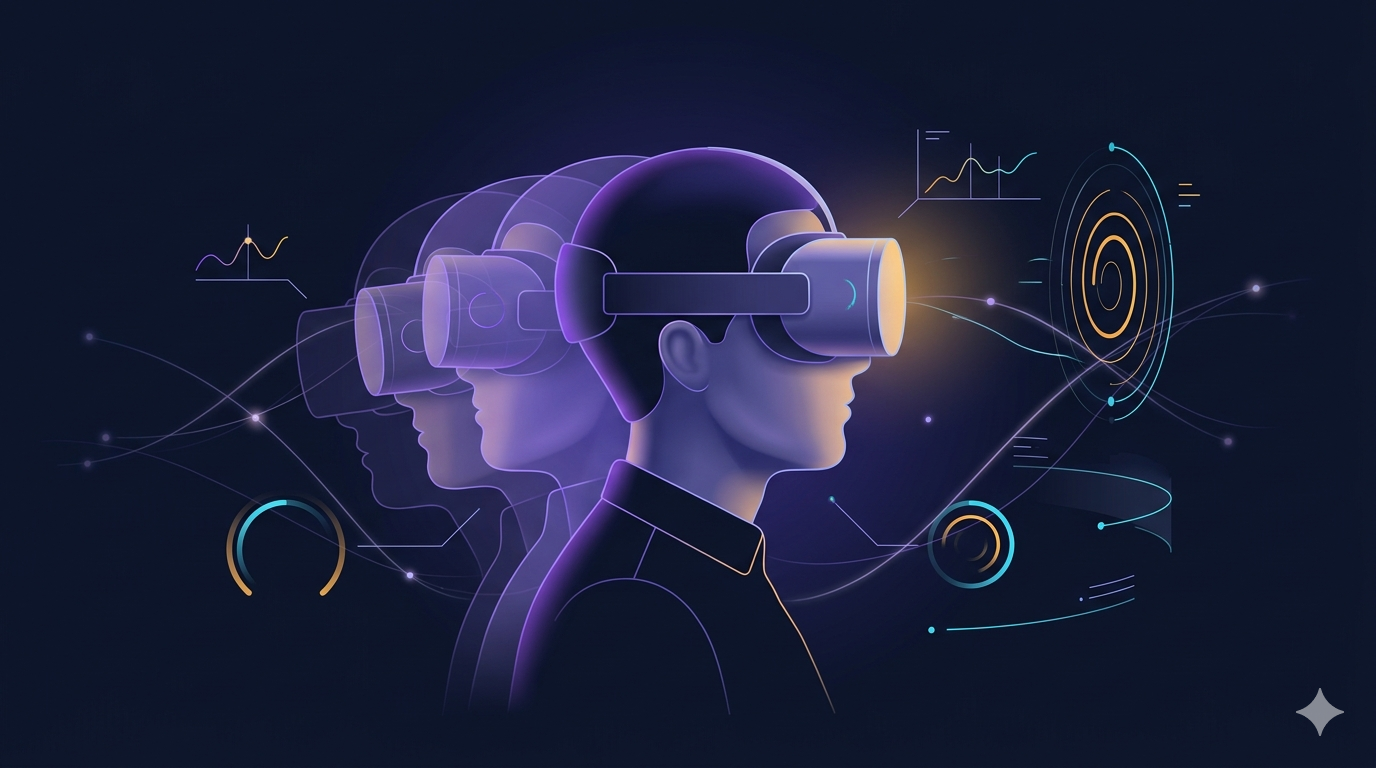
These four reasons do not work in isolation; they compound. Repetition gives the trainee the attempts they need, the controlled environment makes every attempt count, real-time measurement corrects course before the error sets in, and the shorter curve is the natural product of all three together.
This is exactly what we build at Al-Amad: not a dazzling virtual-reality experience forgotten after the session, but a professional simulation system that moves training from a passing grade we hope for to mastery we measure with data. What the field taught me is that the difference is not made by hardware alone, but by the methodology that makes every minute inside the simulation build competence you can prove, in sectors where the decisive moment will not accept anything less than mastery.
Want to see this in the field?
Al-Amad builds professional simulation systems that turn training into measurable mastery. Book a demo to discuss what your sector needs.
Book a demo